Early Reading and Phonics


Early Reading
Our Phonics Scheme is: Little Wandle ‘Revised Letters and sounds’
We implement the 'Little Wandle: Revised Letters and Sounds' phonics programme, which provides children with consistent strategies to support accurate decoding.
At Hempshill Hall Primary School, phonics is prioritised in Foundation Stage and Key Stage One as the essential foundation for developing reading skills throughout school.
Phonics
Phonics is a teaching approach that helps children learn to read by connecting sounds (phonemes) with the symbols that represent those sounds (graphemes, or groups of letters).
We focus on teaching Early Reading and Phonics as a top priority. This approach is integrated into our lessons across all subjects in Foundation Stage and Key Stage One. Our intent is to ensure that every child becomes a confident reader and develops the skills needed to leave Key Stage One able to fluently read a variety of interesting and age-appropriate texts, as well as those that are more advanced. We recognise that establishing a solid foundation in phonics is essential for academic success and a lifelong love of learning.
Our Phonics Approach
At Hempshill Hall, we follow the philosophy of "Keep up, not Catch up" in our phonics programme. This means that all children are introduced to every sound, regardless of their ability level. This approach ensures that every child has the best opportunity to succeed and improve their reading fluency skills.
We understand the importance of tracking each child's progress in phonics development. We conduct daily assessments during our phonics sessions, deploying adults to provide focused support to children as needed. After each session, we revisit the sounds taught to any child identified as needing extra support to secure their understanding.
The ‘Magic Three’ Reading Practice Sessions
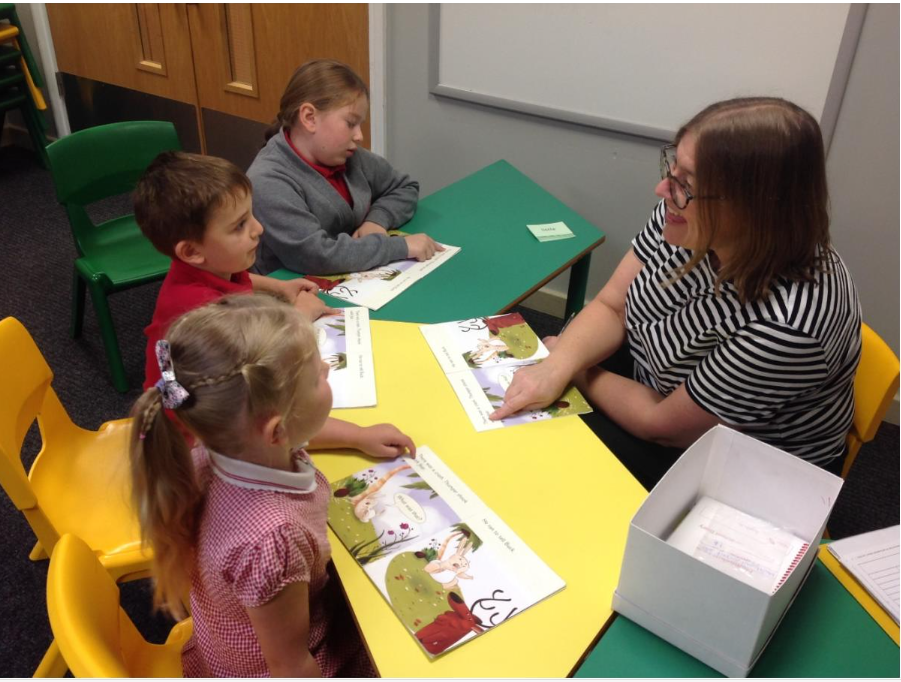
The 'Little Wandle' scheme includes three weekly reading sessions that concentrate on Decoding, Prosody, and Fluency. The successful teaching of reading requires practise. Children need time to read their fully decodable books aloud so they can grow automaticity and accuracy.
Our Phonics Structure
Phonics is organised into Phases, starting with the Foundations of Phonics in nursery and progressing through to Phase 5, which is completed in Year 1. We begin teaching phonics in Early Years within two weeks of the September start and on the first day of Key Stage One. Each child in Reception and KS1 receives 30-minute lesson five days a week, with the fifth day designated for consolidation and review.
The class teacher delivers the phonics lesson, while teaching assistants provide support to any child who may require a modified or differentiated approach. During a session, this might involve working with a few identified children on the daily sound at a slower or more in-depth pace.

Phonics Phases
Nursery: Foundations for phonics
Reception: Phase 2 - Phase 4
Year 1: Recap Phase 3/4 (Autumn 1), Phase 5
Year 2: Recap Phase 5, Little Wandle Bridge to spelling, spelling programme.
Foundations for Parents
The Nursery years are a crucial time to lay the foundations for children’s future reading. By spending time talking with our young children and focusing on the sounds of our language, we help children get ready for formal phonics teaching in Reception. Research shows that children will become better readers if they can recognise and play around with the following aspects of language:
- rhyming words
- syllables within words
- the first sound that words begin with
- the sounds within words (for example, knowing that the word ‘cat’ is made of the sounds c-a-t).
Foundations for Language
Alongside Foundations for Phonics, we prioritise the development of language skills, recognising that children’s brains grow rapidly in their first five years. Research shows that meaningful, back-and-forth interactions with adults are key to language development. Our practitioners at Hempshill Hall create a language-rich environment, engaging children in conversations, modelling new vocabulary, and encouraging communication through stories, songs, rhymes and play. These interactions help nurture confident communicators and set the stage for future learning.
Working with Parents
We recognise the importance of collaborating with parents to help support their child's phonics development at home. To facilitate this, we provide a phonetically decodable book for children to read with their parents, reinforcing the phonics sounds they have learned.
We provide parent workshops for EYFS & KS1, where parents can learn about our phonics programme and how early reading is taught. Furthermore, we like to invite parents into school to observe ‘Live Phonic’ lessons!
What can I do to support my child at home?
Although your child will be taught to read at school, you can have a huge impact on their reading journey by continuing their practise at home.
Read to your child daily and enjoy books together. The 'reading for pleasure' books we send home are a great way to start!
Reading Practise Book
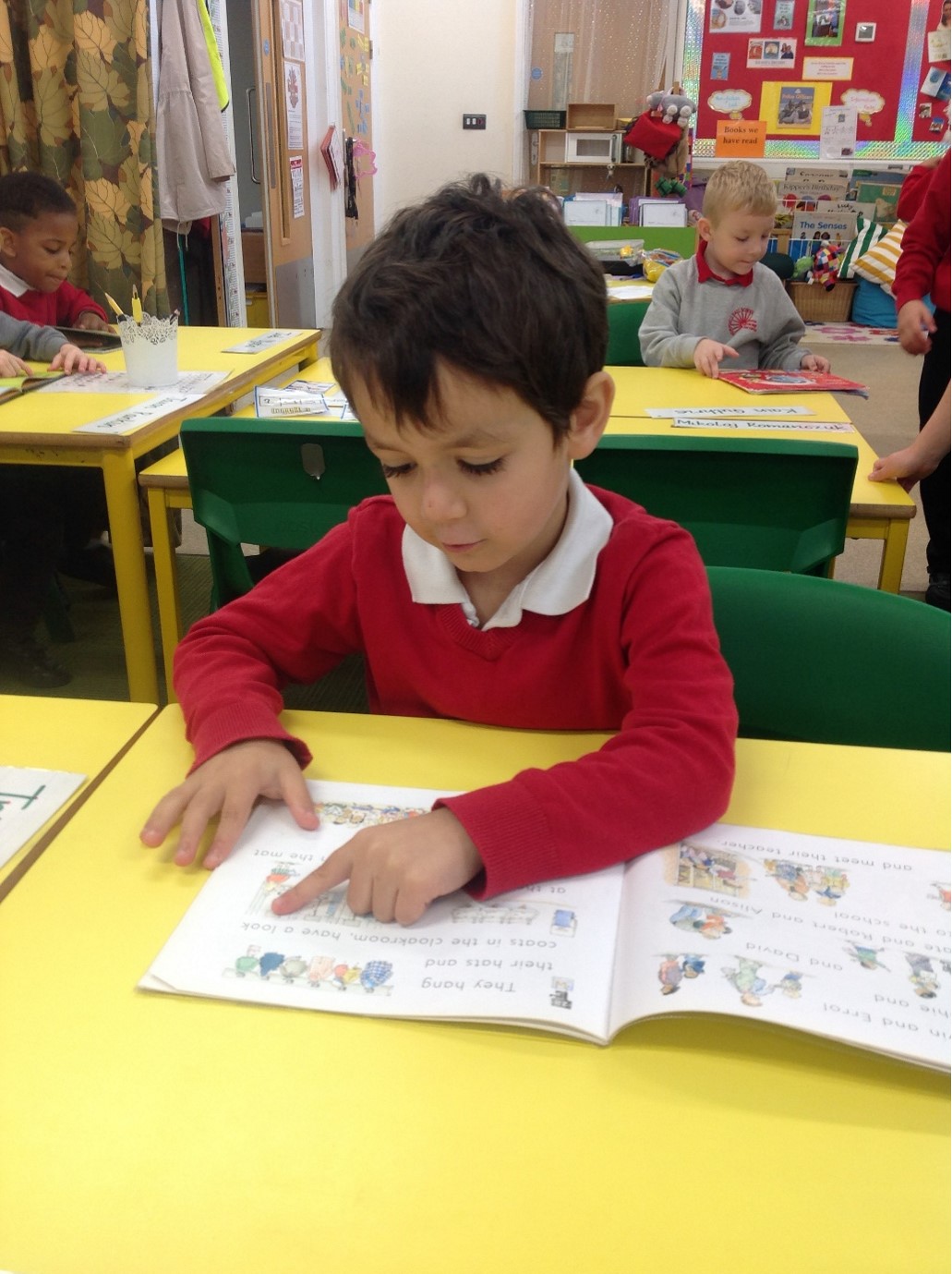
Encourage your child to practise reading their decodable reading book which has been carefully matched to your child’s current reading level. Regular reading practise develops fluency and confidence in reading.
Give your child lots of praise and celebrate their success!
Reading for pleasure- Sharing Book
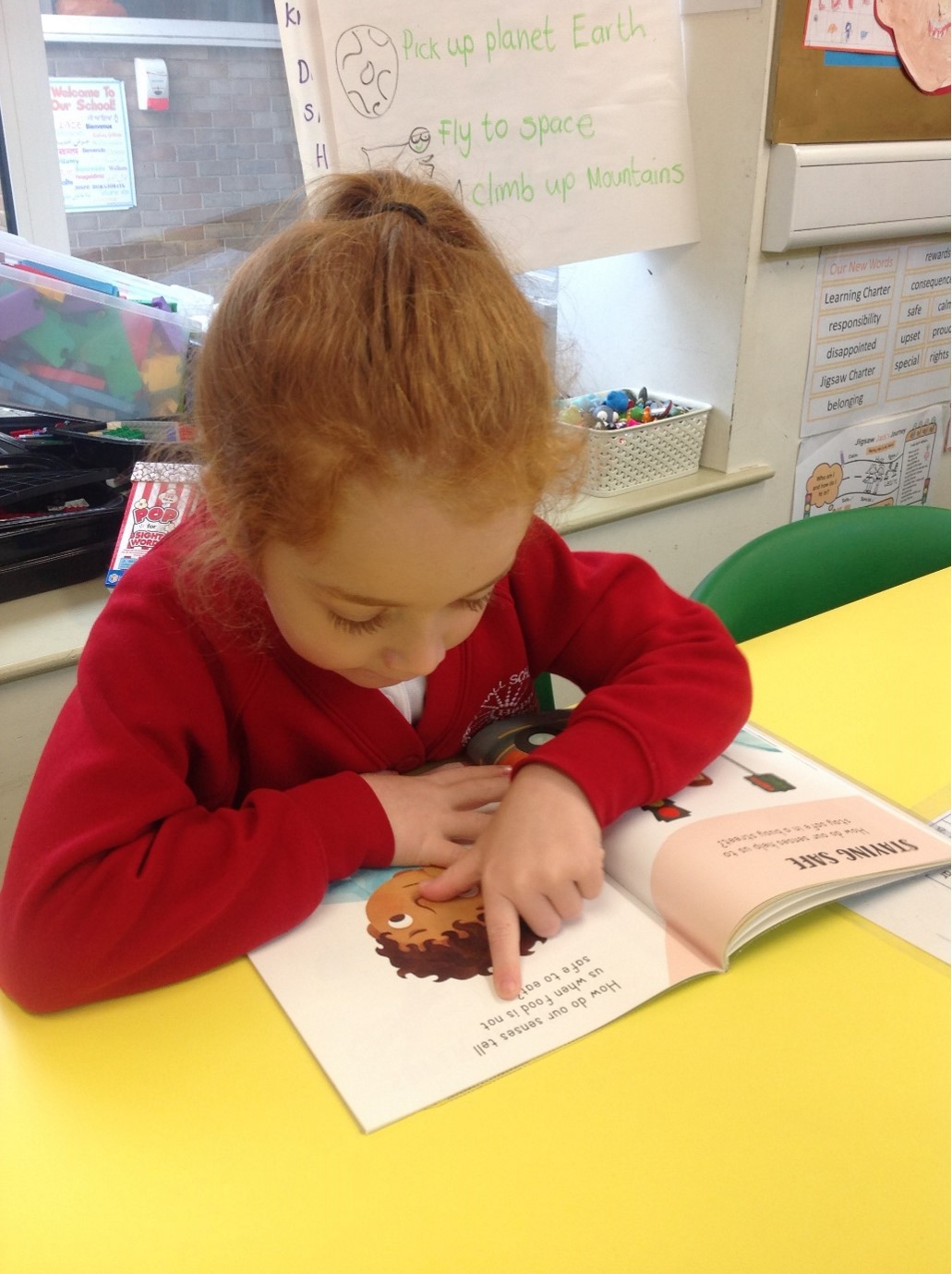
To encourage your child to become a lifelong reader, it is important that they learn to read for pleasure. The sharing books are books they have chosen for you to enjoy together.
Y1 Phonics Screening Check
The National Phonics Screening Check takes place in Summer Term for Year 1 pupils.
Year 2 Little Wandle 'Bridge to Spelling'
Year 2 children who have successfully completed the Little Wandle phonics programme will move on to the Little Wandle spelling scheme. This scheme revisits the final half term of Phase 5 phonics from Year 1 and introduces the Bridge to Spelling, preparing pupils for Key Stage 2 spelling. The spelling rules taught align with the National Curriculum.
Rapid Catch Up in Key Stage 2
Children who continue to need phonics support after Key Stage One will participate in the Little Wandle Rapid Catch-Up programme in Year 3. This programme is delivered by trained staff who adhere to a structured approach that covers phases 2-5, and it also includes reading groups three times a week.
Curriculum Pages


Phase 2 sounds taught in Reception Autumn 1
This Phase 2 sounds taught in Reception Autumn 1 video is designed to be shared with families by schools using Little Wandle Letters and Sounds Revised to he…
Phase 2 sounds taught in Reception Autumn 2
This Phase 2 sounds taught in Reception Autumn 2 video is designed to be shared with families to help them to support learning at home. Little Wandle Letters…
Phase 3 sounds taught in Reception Spring 1
This Phase 3 sounds taught in Reception Spring 1 video is designed to be shared with families to help them support the learning at home. Little Wandle Letter…
Quick guide to Alien words
This Alien words video is designed to be shared with families by schools using the Little Wandle Letters and Sounds Revised complete phonics programme to hel…
How we teach tricky words
This explanation of tricky words video is designed to be shared with families by schools using the Little Wandle Letters and Sounds Revised complete phonics …
How we teach blending
This How we teach blending video is designed to be shared with families by schools using Little Wandle Letters and Sounds Revised to help them to support lea…
Reception Autumn 1 Sounds
Download a guide to how children are taught to say their sounds in Reception Autumn 1

Reception Autumn 2 Sounds
Download a guide to how children are taught to say their sounds in Reception Autumn 2
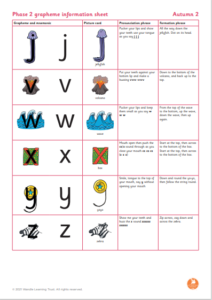
Reception Spring 1 Sounds
Download a guide to how children are taught to say their sounds in Reception Spring 1
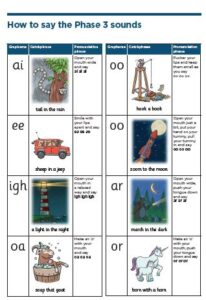
Year 1 Autumn 2 Sounds
Download a guide to how children are taught to say their sounds in Year 1 Autumn 2.
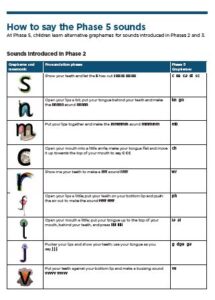
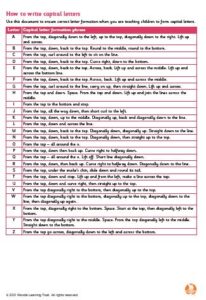
How to write capital letters
Download a guide to how children are taught to write capital letters.